Starlink vs 5G for Boat Life in the UK (2026 Real-World Comparison)
This post contains affiliate and referral links. If you click a link and make a purchase or sign up for a service, we may receive a small commission at no extra cost to you. It helps keep the blog running—and Luna well-fed.

⚡ Quick Answer: Starlink or 5G on a Boat?
If you mostly stay in marinas or near towns, a 5G router is the cheapest and most efficient option. If you work remotely or spend time in remote anchorages, Starlink is the only option that gives consistent, reliable internet. For full-time liveaboard life in the UK, Starlink is what made remote work actually possible for us.
⚓ Our Setup (What We Actually Tested)
We live full-time on a 44ft sailboat in the UK and rely on internet every day for remote work—so getting this right wasn’t optional. Before choosing Starlink, we spent a lot of time researching the typical “boat internet” setup:
5G routers
External antennas
UK SIM deals
While we didn’t run a full 5G system long-term, we quickly realised its biggest limitation: it depends entirely on land-based signal.
Because we regularly anchor and didn’t want to plan our movements around mobile coverage, we chose to go straight to Starlink Mini.
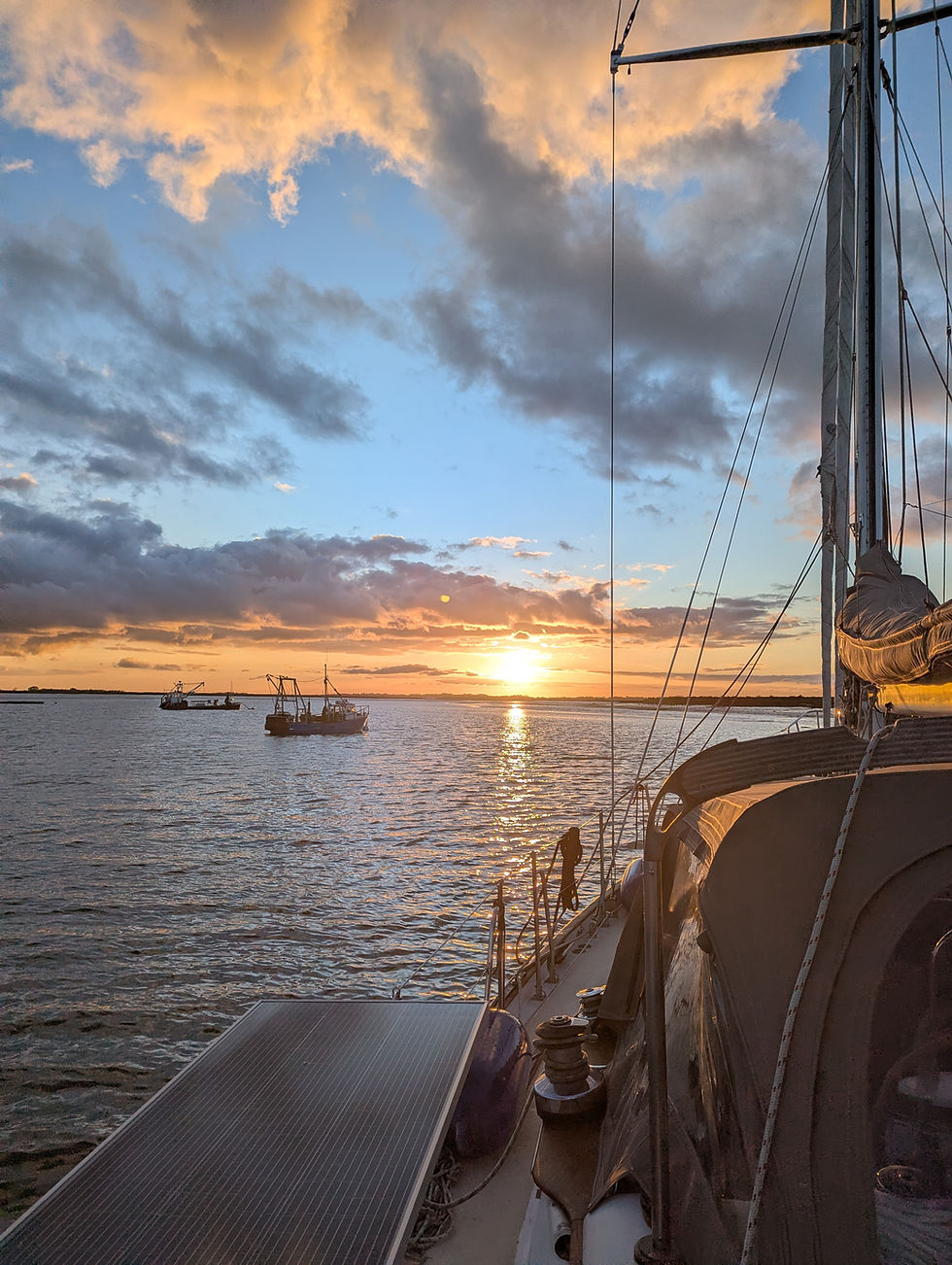
We now run Starlink as our primary internet source, powered by our 780W solar setup—and it’s what allows us to work reliably from the boat.
📶 5G Router Setup (The Budget Option)
What it is:
A typical marine 5G setup includes:
A router (e.g. Teltonika)
A SIM card (UK network)
An external antenna (often mast-mounted)
✔ Pros
Cheap: ~£20–£30/month
Very low power usage: ~5–10W
Simple to install
✖ Cons
Signal drops in remote areas
Completely unreliable offshore
Dependent on land-based towers
👉 In our experience, this was the biggest issue. In popular marinas? Fine.
In a quiet anchorage or remote coastline? Basically unusable.
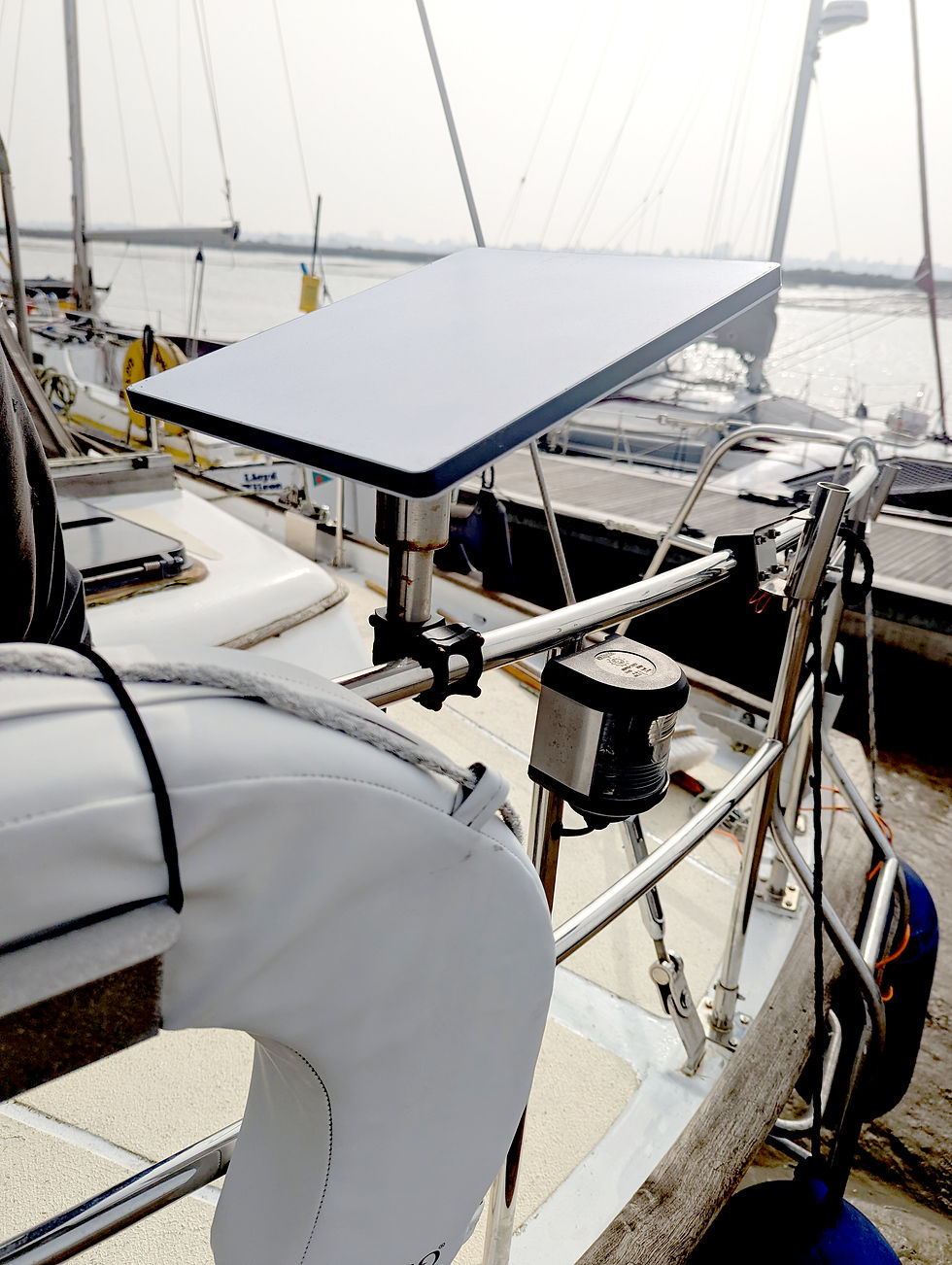
🛰️ Starlink Setup (The Game Changer)
What it is:
A satellite-based internet system using low-orbit satellites.
As long as you have a clear view of the sky—you have internet.
✔ Pros
Works in remote anchorages
Fast speeds (100–200 Mbps)
Reliable enough for full-time remote work
✖ Cons
Expensive: ~£96/month
Higher power usage
Requires open sky (no obstructions)
👉 We go deeper here: Our Full Starlink Review for Boat Life
⚔️ Starlink vs 5G: Side-by-Side Comparison
Feature | 5G Router | Starlink |
Monthly Cost | ~£25 | £96 |
Setup Cost | £300–£500 | £300–£450 |
Speed | 10–50 Mbps | 100–200 Mbps |
Power Use | 5–10W | 20–60W |
Coverage | Near land only | Almost anywhere |
Reliability | Variable | Consistent |
👉 If you’re deciding quickly:
5G = cheaper but limited
Starlink = expensive but dependable
🗺️ Coverage in the UK (Where It Actually Works)
This is where the real difference shows.
📍 5G Coverage
Works well in:
Marinas
Coastal towns
Popular sailing routes
Struggles in:
Remote Scottish anchorages
Quiet coves
Offshore passages
🛰️ Starlink Coverage
Works almost anywhere with:
Open sky
Minimal obstruction
Ideal for:
Anchoring
Coastal cruising
Crossing to Europe
👉 This is what gives you true freedom of movement.
🔋 Power Consumption (The Hidden Factor)
This is the part most people underestimate.
5G Router
~5–10W
Minimal impact on your batteries
Starlink Mini
~20–35W in real-world use
~40–60Ah per day
👉 On a boat, that’s significant.
We specifically designed our 780W solar system to support:
Starlink
Laptops
Daily onboard use
👉 Read: Our Full Solar Setup Guide
💰 Real Cost Breakdown
5G Setup
£20–£30/month
Lower upfront cost
Occasional SIM upgrades
Starlink
~£96/month
Hardware cost (~£300–£450)
Optional roaming upgrades
👉 This is one of the hidden costs of living on a boat that catches people out.
🧭 So… Which Should You Choose?
✔ Choose 5G if:
You stay mostly in marinas
You’re on a tight budget
You only need light browsing
✔ Choose Starlink if:
You work remotely
You anchor regularly
You need reliable, consistent speeds
👉 For us, the decision was simple:
We needed internet that worked every day, without thinking about it.
That’s why we chose Starlink.

What We Actually Use (And Why)
We run Starlink Mini full-time onboard, powered by solar.
Yes—it’s more expensive.Yes—it uses more power.
But it’s what allows us to:
Work remotely
Anchor where we want
Stay connected anywhere
👉 Without it, full-time boat life wouldn’t be sustainable for us. This is the exact setup we use onboard
FAQ: Internet on a Boat in the UK
Can you use Starlink on a boat in the UK?
Yes. The Regional Roam plan works well for UK coastal sailing and anchoring.
Is 5G enough for boat life?
It depends. For marina-based living, yes. For remote or offshore use, no.
How much power does Starlink use on a boat?
Roughly 20–35W in real-world use (more at peak).
Does Starlink work offshore in the UK?
Yes—but you may need upgraded data options depending on how far you travel.
What to Read Next
If you’re setting up your boat for full-time living:
💬 Your Turn
What’s the one thing you’re most unsure about when it comes to internet on a boat?
Drop a comment below—we reply to every message.


Comments