How Much Power Does Starlink Use on a Boat? (Real UK Liveaboard Data 2026)
Starlink Power Usage on a Boat
Starlink Mini typically uses 15–40 watts in real-world conditions, averaging around 20–35W during normal use, with brief peaks up to 60W during startup and satellite acquisition. On a 12V system, that equals roughly 35–70Ah per day depending on usage. It can run on solar, but it is one of the highest constant energy draws on a liveaboard setup.
Why this matters
If you’re thinking about using Starlink on a boat, there’s one question that matters just as much as cost:
How much power does it actually use?
Because on a liveaboard, internet isn’t just about speed — it’s about whether your batteries can actually support it day after day.
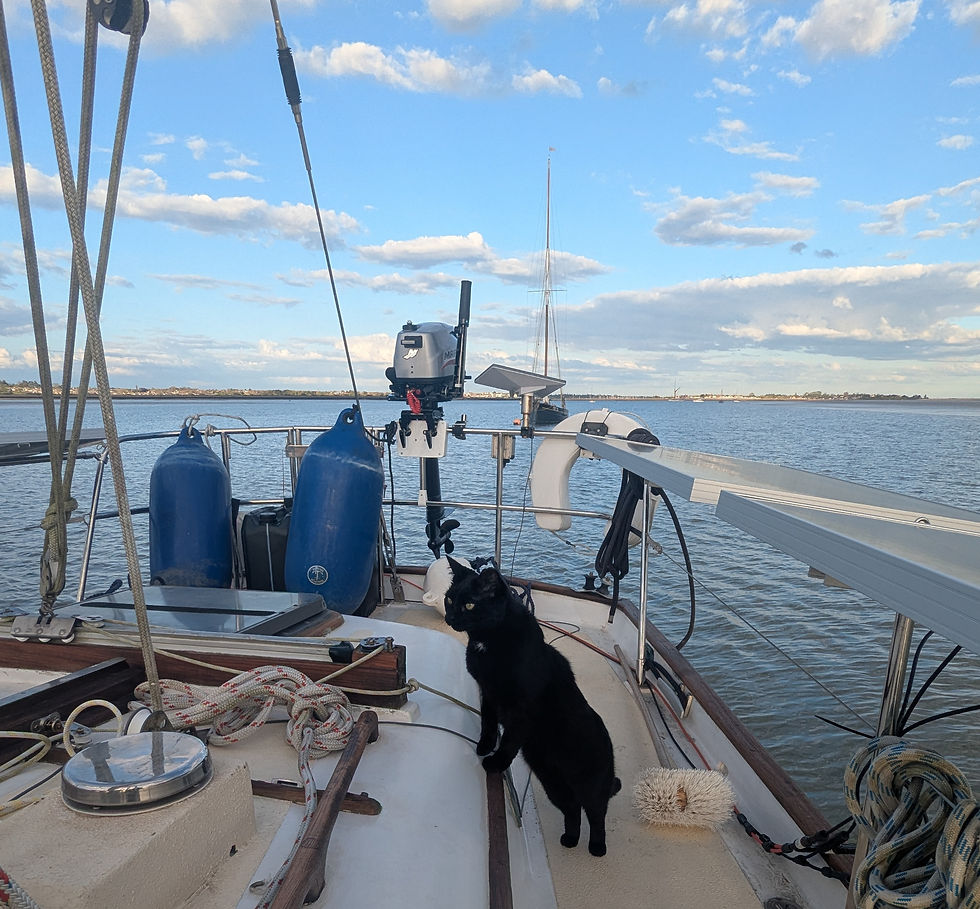
We live full-time on a 44ft sailboat in the UK, running Starlink Mini off a solar setup, so this is based on real-world use in anchorages, marinas, and everything in between.
Starlink Mini Power Consumption (Real-World vs Specs)
Official specs don’t always reflect boat life usage, because conditions change constantly — wind, movement, obstructions, and reconnecting all affect power draw.
On our boat, Starlink Mini typically sits at:
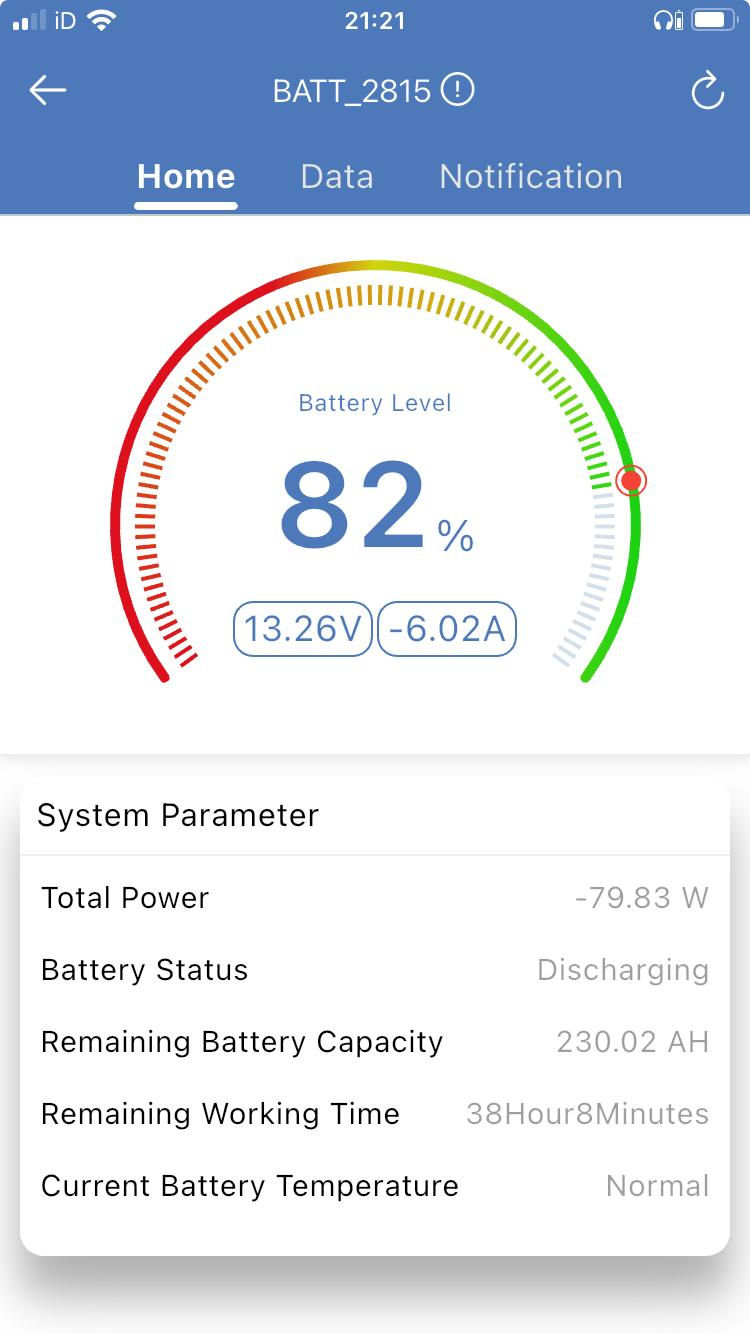
Idle / stable connection: ~20–25W
Active work usage (video calls, uploads): ~30–35W
Searching / reconnecting: up to ~60W briefly
👉 Starlink doesn’t use constant peak power — but it never truly “sleeps” either.
What that means in Amp Hours (Boat reality)
Most liveaboard systems run on 12V.
So here’s what Starlink looks like in real numbers:
~25–30W average ÷ 12V ≈ ~2–2.5A draw
Over 24 hours: ~35–70Ah per day depending on usage and conditions
That’s a meaningful chunk of daily energy for most boats.
Can solar handle Starlink?
Yes — but only if your system is designed for it.
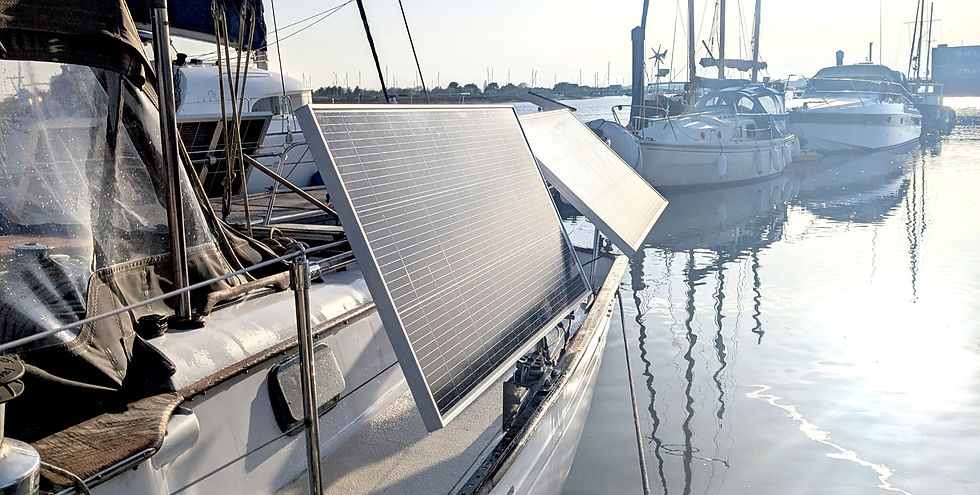
We run a 780W solar setup onboard, which supports:
Starlink Mini
Laptops + remote work
Fridge + normal liveaboard usage
On sunny UK days:
✔ Starlink is completely covered by solar
✔ Batteries stay balanced
On cloudy winter days:
⚠️ You need to manage usage more carefully
⚠️ Starlink becomes one of your main background drains
👉 If you want the full breakdown, read: DIY Boat Solar Setup (780W Liveaboard System)
Starlink vs 5G Power Usage (Big Difference)
This is where things get interesting.
📶 5G Router Setup
~5–10W
~10–20Ah per day
Can run almost indefinitely on small solar
🛰️ Starlink Mini
~15–40W average (real-world variable usage)
~35–70Ah per day depending on usage
Requires proper solar + battery planning
👉 This is the trade-off:
5G = ultra low power, but unreliable offshore
Starlink = higher power, but full freedom
We break this down fully here:
⚓ Why power usage matters more on a boat
On land, Starlink power draw is irrelevant.
On a boat, it directly affects:
How long you can anchor without running engine
Battery cycle life
Solar sizing requirements
Winter energy planning
Overall liveaboard independence
This is why many boaters underestimate Starlink — not the cost, but the energy footprint.

Overnight usage (important detail)
Starlink does not “turn off” unless you manually disable it.
At night:
It still draws ~20–25W
It continues maintaining connection
It will slowly drain batteries if not managed
👉 We often switch ours off overnight when anchored to reduce unnecessary drain.
Our real setup (what works in practice)
We run Starlink Mini full-time, powered by:
780W solar array
Lithium battery bank
12V onboard system
Our daily reality:
✔ Starlink runs reliably while working
✔ Solar usually replenishes daytime usage
✔ Energy management is still required in winter
Without proper solar planning, Starlink would absolutely overwhelm a small setup.
So — is Starlink worth the power use?
It depends on how you live onboard.
✔ Choose Starlink if:
You work remotely
You anchor often
You need reliable internet anywhere
✔ Be cautious if:
You rely on small solar setups
You mostly stay in marinas
You want ultra-low energy usage
⚓ Final thoughts
Starlink isn’t “power hungry” in an extreme sense — but it is a constant, meaningful load on a boat’s energy system.
The real question isn’t:
“Can I afford Starlink?”
It’s:
“Can my energy system support the lifestyle that comes with it?”
For us, the answer was yes — and it’s what makes full-time UK liveaboard life and remote work possible.

Comments