How to Live on a Boat in the UK (Complete Beginner Guide)
Updated: Apr 24
Disclosure: This article may contain affiliate links. If you purchase through them we may earn a small commission at no extra cost to you.
Living on a boat in the UK is something many people dream about — whether it’s escaping rising rent, living closer to nature, or simply trying a different lifestyle.

But when people start researching boat life they quickly run into questions like:
Is it legal to live on a boat in the UK?
Where do you moor?
How much does it actually cost?
What kind of boat do you need?
If you’re completely new to this, one of the biggest things to understand early is what actually matters when choosing a boat — not just what looks nice in listings: What Actually Matters When Buying a Liveaboard Boat
We live aboard a Kelly Peterson 44 sailboat, and in this guide we’ll walk through what living on a boat in the UK really involves.
By the end you'll understand:
the legal side of living aboard
the types of boats people live on
typical costs
where you can moor
what daily life is actually like

Can You Legally Live on a Boat in the UK?
Yes — but there are two main ways people live aboard.
Residential Moorings
A residential mooring allows you to legally live on your boat full-time.
These are usually found in marinas and typically include:
shore power
fresh water
waste disposal
sometimes postal addresses
The downside is availability. Residential moorings are limited and waiting lists can be long in popular areas. Monthly costs vary widely depending on location.
Continuous Cruising
Another option is continuous cruising, which is common on canals.
Continuous cruisers move regularly rather than staying permanently in one marina.
This works well for people who enjoy slow travel through the waterways, but it can be harder for those who need stable internet or commute to work.

Types of Boats People Live On
There isn’t just one type of liveaboard boat.
Different waterways and lifestyles suit different vessels.
Narrowboats
Narrowboats are the most common liveaboard boats on canals.
Pros:
designed for canal systems
relatively affordable
strong liveaboard community
Cons:
slow travel speeds
limited coastal capability
Sailboats
This is the type of boat we live on.
Our boat is a Kelly Peterson 44 cutter rig, designed for offshore sailing but comfortable enough for full-time living.
Sailboats are popular for coastal liveaboard life because they offer:
the ability to travel long distances
efficient movement under sail
strong offshore design

Barges and Motor Cruisers
Barges and motor cruisers are common on rivers and inland waterways. They usually offer:
larger living spaces
more comfortable interiors
easier long-term mooring
But they are often more expensive to purchase and maintain.
How Much Does It Cost to Live on a Boat in the UK?
Boat life can be cheaper than renting — but it isn’t free. Typical monthly costs include:
mooring fees
insurance
maintenance
fuel or electricity
internet
If you want to see what this actually looks like month-to-month, you can read our full cost breakdown here: Cost of Living on a Boat in the UK (Real Liveaboard Budget)
And if you’re still at the planning stage, this guide covers what it costs to get started in the first place: How Much It Costs to Start Living on a Boat in the UK

Free Liveaboard Budget Snapshot
Thinking about living aboard but unsure about the costs?
We created a simple Liveaboard Budget Snapshot showing a real example monthly budget for living on a boat
in the UK.
Where Can You Moor a Liveaboard Boat?
Finding somewhere to keep your boat is one of the biggest practical challenges for new liveaboards. It’s also one of the biggest factors affecting your overall costs and day-to-day lifestyle.
Marinas
Marinas are the most convenient option.
They usually provide:
shore power
water supply
laundry facilities
security
But they are also usually the most expensive option.
Anchorages
Some sailors spend time anchored rather than staying in marinas.
This dramatically reduces costs but requires reliable onboard systems like solar power and internet.
If you’re curious how we manage power and connectivity while working remotely from our boat, here’s exactly how we keep everything running while off-grid: How We Power Remote Work at Anchor
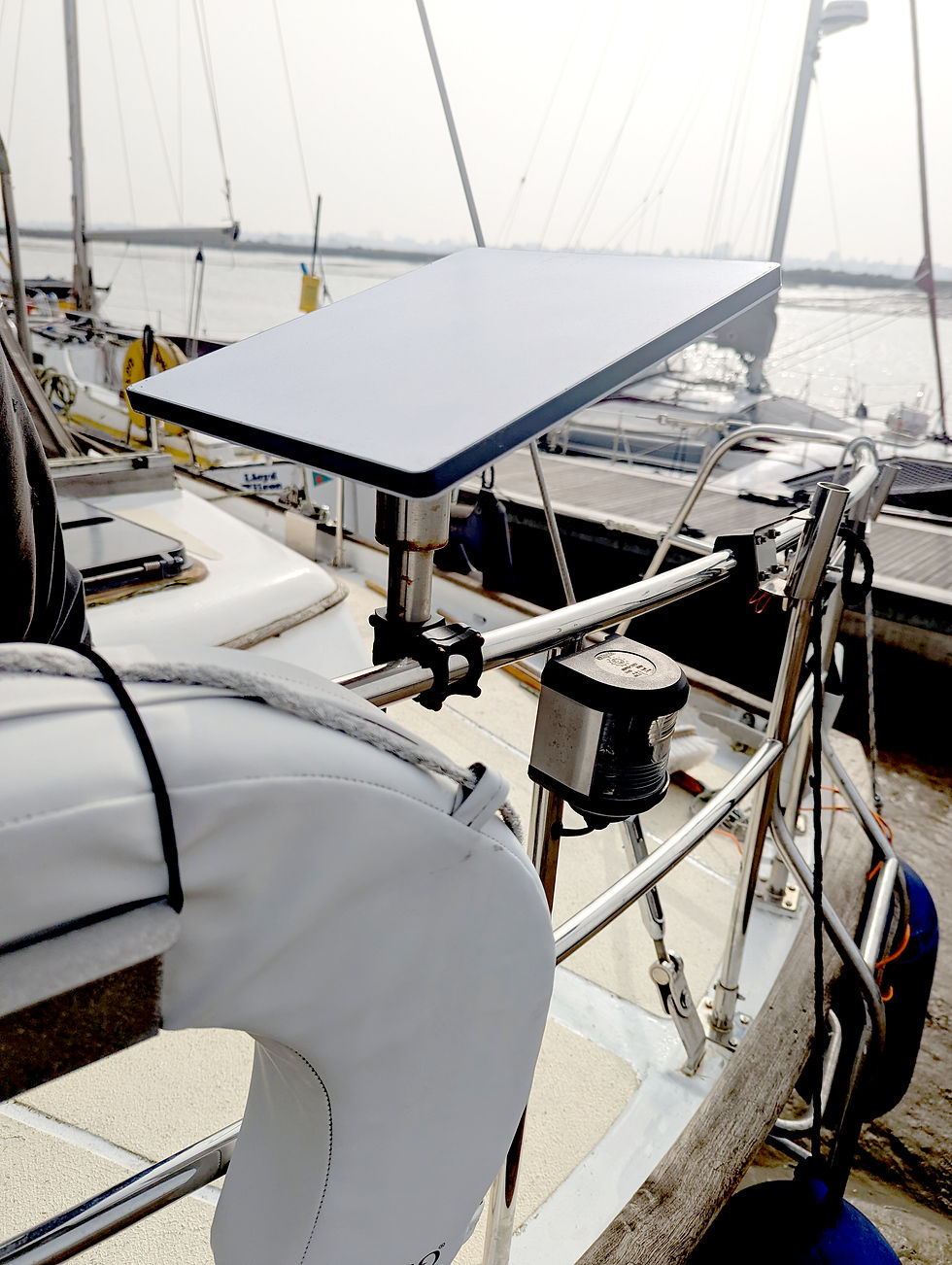
Power and Internet for Living on a Boat
Reliable electricity and internet become essential if you plan to live aboard long-term. Many liveaboards rely on systems like:
solar panels for renewable power
lithium batteries for energy storage
DC-to-DC chargers for charging from the engine
satellite internet such as Starlink (click the link to get 1 month free)
These systems allow boats to operate independently even when away from marinas. We also installed our own solar setup, which made a huge difference to staying off-grid comfortably: DIY Boat Solar Panel Installation (780W Setup)
What Daily Life on a Boat Is Actually Like
Living aboard involves a few routines that people in houses rarely think about.
Daily life might include:
checking battery levels
managing water usage
monitoring weather
performing small maintenance tasks
Space is limited, so organisation becomes essential, but many liveaboards find the lifestyle incredibly rewarding. If you’re trying to picture what that actually feels like day-to-day, we shared our first month living aboard here: Our First Month Living Aboard a Sailboat

Pros and Cons of Living on a Boat
Advantages
lower housing costs
mobility and freedom
connection to nature
strong boating community
Challenges
ongoing maintenance
limited living space
weather exposure
difficulty finding residential moorings
unexpected costs and ongoing repairs
A lot of these are the things people don’t realise until they’re already living aboard. Here’s what caught us off guard.
Is Living on a Boat Right for You?
Boat life suits people who enjoy:
practical problem solving
outdoor living
minimalism
travelling slowly
It may not suit people who prefer stability, large living spaces, or minimal maintenance responsibilities.
Final Thoughts
Living on a boat in the UK is entirely possible, but it requires planning and flexibility.
Understanding the legal rules, mooring options, and costs will help you decide whether the lifestyle is right for you.
If you’re still weighing it up, these will help you get a clearer picture:


Comments